Oct. 31, 2026
Engineering an E-Bike as a Complete System: From Concept to Production
Engineering an
E-Bike as a Complete System: From Concept to Production
A successful E-bike project depends on how well
the frame, cockpit, accessories and electrical components work together. This
case study shows how XON helped refine an initial concept, coordinate multiple
suppliers and turn a collection of custom parts into a production-ready
bicycle.
The completed E-bike
combines the frame, cockpit, carriers and lighting as one coordinated product.
Good Bicycle Development Starts
with the Interfaces
When a brand brings us a concept drawing, the
overall direction may already be clear. The real engineering work begins at the
points where one part meets another.
Will the cable path remain smooth through the
handlebar and frame? Does the computer mount fit the cockpit without
interfering with the front light? Are the rack mounting points positioned
correctly for the fender and rear light? Can the selected kickstand work with
the final frame geometry?
These questions often determine whether a
promising design can move into production without repeated revisions.
For this project, the customer provided a 3D
concept, frame geometry and specifications for the main components. XON then
reviewed the aluminum frame, carbon fork and related components as one system.
We worked with qualified manufacturing partners to refine the engineering
details while keeping the original design direction intact.
The initial concept
established the product direction. Engineering development turned it into a
manufacturable design.
A Cleaner Cockpit Without Starting
from Zero
The one-piece handlebar was one of the most
important parts of the project. Its internal structure needed enough space for
full cable routing, with transitions that would not create excessive friction
during installation or steering.
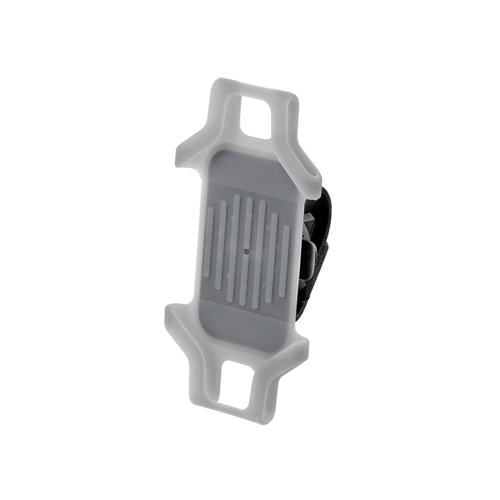
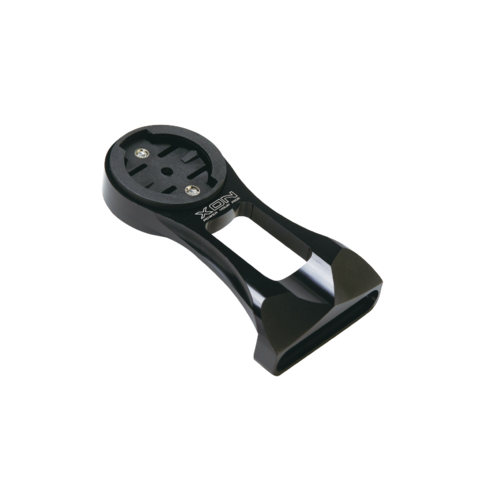
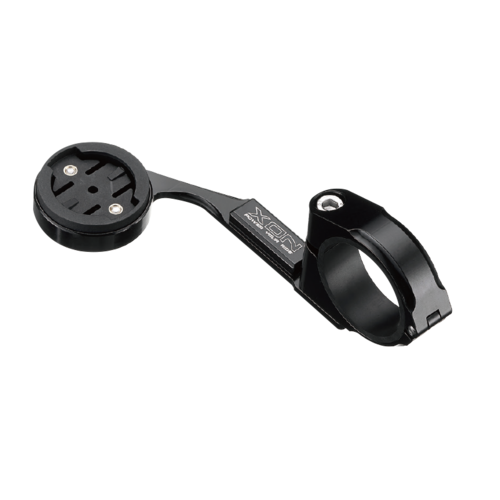
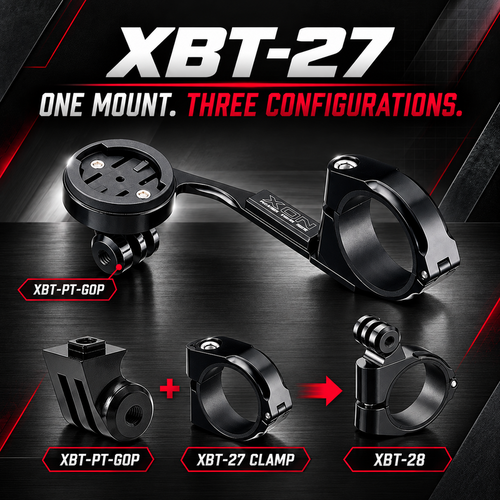
The cockpit also needed an integrated solution
for the cycle computer and front light. A completely new mount would have added
tooling cost and extended the development schedule. Instead, we adapted an
existing XON mount to match the new handlebar and its installation points.
The result retained the clean appearance the
customer wanted while using a proven product platform. This is often the most
effective form of customization: develop new parts where necessary and reuse
reliable solutions where they already meet the requirement.
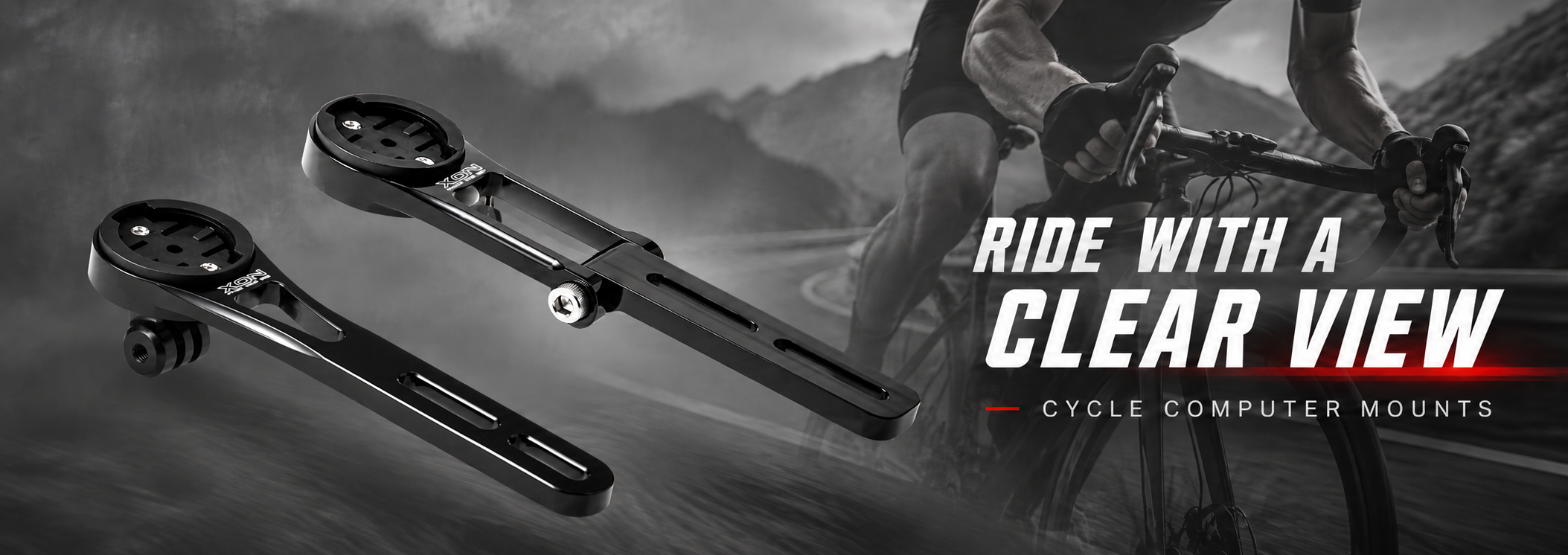
An existing XON mount
was adapted to match the one-piece handlebar and support both the computer and
front light.
Developing the Frame and
Accessories at the Same Time
Accessories are often treated as secondary
items, but a carrier, fender or light can affect frame clearances, mounting
points and cable routing. Waiting for the first complete frame sample before
starting these parts can add months to the schedule.
Once the frame and fork drawings were confirmed,
XON began developing the front and rear carriers, fenders and lighting
components in parallel with the frame samples. This allowed the parts to reach
the assembly stage at a similar time.
When the frame sample arrived, we could
immediately verify bolt positions, hardware alignment, tire clearance and the
relationship between the rack and fender. The front and rear lights also
required electrical coordination. Their voltage, power consumption and
connectors had to match the customer’s E-bike motor system, not only the
mechanical mounting points.
Parallel development does not remove the need
for validation. It gives the engineering team the opportunity to identify
interface problems earlier, when changes remain manageable.
The front and rear
carrier, fender and lighting interfaces were developed alongside the frame.
Small Engineering Decisions Can
Prevent Large Costs
The transition from a concept to mass production
always involves practical decisions. Welding access, molding consistency,
available hardware and tooling cost can all affect the final design.
In this project, the customer’s preferred
kickstand did not fit the revised frame geometry. Developing a new kickstand
mold would have added cost without improving the rider experience. XON designed
a dedicated adapter plate instead, allowing the original kickstand to remain in
use.
We also coordinated the saddle and grip colors
across different suppliers. Color matching may seem minor compared with frame
engineering, but inconsistent finishes are immediately visible on a completed
bicycle.
Both examples reflect the same principle:
engineering should solve the actual problem without adding unnecessary
complexity.
Quality Is Built into the
Production Process
Structural testing to ISO and EN requirements
provides an essential baseline, but passing a test does not by itself guarantee
consistent production.
XON’s quality team checks the complete bill of
materials at the manufacturing site. The inspection covers frame dimensions,
appearance and component fit, as well as smaller items such as bolts, cable
caps and mounting hardware. These details can affect assembly efficiency and
the condition of the finished bicycle.
Finding a problem early also prevents it from
continuing through an entire production batch. When an issue appears after
shipment, we coordinate the investigation with the relevant suppliers and use
the findings to improve subsequent production.
On-site inspection
connects the approved engineering specification with the actual production
result.
From Individual Parts to a Complete
Bicycle
The finished E-bike remained faithful to the
customer’s original direction, but it also incorporated the changes required
for reliable manufacturing and assembly.
More importantly, the frame, cockpit, carriers,
lighting and standard components were developed as parts of the same bicycle.
The value of this approach appears at the interfaces: cleaner installation,
fewer late-stage changes and a product that feels consistent when it reaches
the customer.
XON supports bicycle brands through engineering
review, supplier coordination, prototype validation and production management.
If you are developing a new bicycle, E-bike or integrated component system,
contact us to discuss the technical requirements and development plan.
The final bicycle
reflects both the original design intent and the practical requirements of
production.